Copyright & Fair Use
Introduction
When someone creates something that hasn’t been created before, that person has rights over how their creation is used by others. This is called copyright. We often think about copyright in terms of literary works, but it can also apply to original works like songs, computer code, and even architecture. Copyright laws are different around the world. In the United States, the law is written both to allow innovation and protect the rights of the copyright holder. The copyright holder might be the original author of a work or an entity like a publisher or university. Also, remember that if you create something and then publish it, you may not be the copyright holder anymore. Oftentimes, the publisher will retain some (or all) of the rights to your work.

Copyright & AI
With the rise of AI, it’s important to understand that copyright typically doesn’t apply to works created primarily by machines. If human input is minimal and the AI is the main creator, the resulting work likely isn’t eligible for copyright protection. Since guidance in this area is evolving rapidly, be sure to consult the U.S. Copyright Office and your institution’s policies regularly for updates.
A Closer Look
Do I Need Permission?
The Copyright: Do I Need Permission? flow chart is a good place to start to figure out if you need permission to reuse a copyrighted work in your course. There are many situations where you might not need permission to reuse a work. For example, if you’re using open educational resources, you won’t need permission. These are educational materials that are in the public domain or published under a Creative Commons license that allows people to use and modify them freely. Often, these materials are intentionally created for this purpose. Another good rule of thumb is to link to content that is legally and publicly available (for example, TED talks, which are popular course resources) rather than copying content from another website and pasting it into your course.
What Is Fair Use?
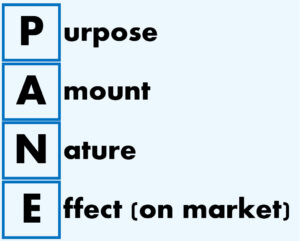 If you decide to use a copyrighted resource that isn’t available under a Creative Commons license or legally and publicly available online, you’ll have to determine whether your use is fair. Understanding the concept of fair use is essential to understanding copyright, and whether or not your use is fair determines whether you need to get written permission from the copyright holder to reuse their work. The Fair Use Checklist walks you through the four factors you must consider to determine if your use falls under fair use. These factors include the purpose of your use, the amount of the original work you plan to use, the nature of your work, and the effect your use will have on the market value of the original.
Deciding whether a use is fair can often be complicated. If you’re still unsure after reviewing the checklist, get permission from the copyright holder. If the copyright holder says no (or if they say yes but only after paying a high fee), look for another resource.
How Do I Get Permission?
If you know you need permission, you’ll first want to determine who holds the copyright for the work. If the copyright holder is an individual, UW System provides a permission form you can use to contact them directly. If the copyright holder is a publisher, follow the instructions on the publisher’s website. If the copyright holder is a student, use the Student Work Release Form to get permission. A student, like any creator of an original work, holds the copyright to their work.
Once you receive written permission from the copyright holder, save the signed permission form and any related correspondence for your records. It’s up to you to get the permissions for your course and keep records of them. Once you have permission, you’re free to use the copyrighted material as you specified to the copyright holder you would. Remember also to follow any stipulations made by the copyright holder. And, as always, don’t forget to properly cite your source.
How Do I Properly Attribute a Photo or Other Media?
Just as you cite your sources in your academic work, you’ll want to cite your sources in your course, too. If you use a photo or other media, create an attribution with the source information and link to the original image or media online. This advice mostly applies to photos, illustrations, or other static media. For videos or websites, link directly to them (rather than using a method called “framing”), and avoid copying and pasting text from any website directly into your course.
Many courses use stock photographs that have a Creative Commons license. Here’s an example of how to properly attribute a photo with a Creative Commons license:
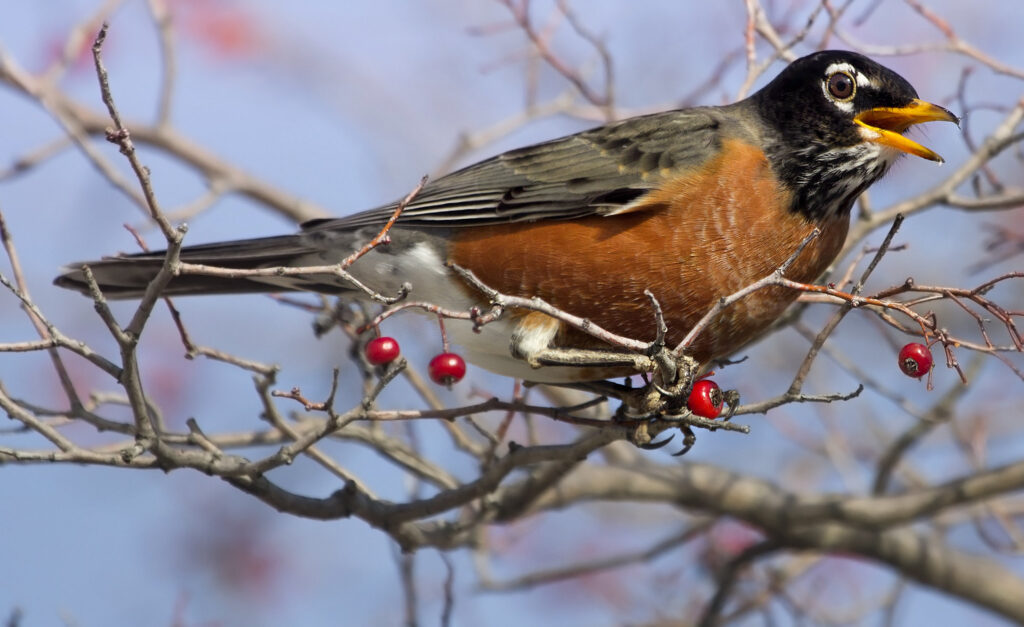
“American Robin” by Becky Matsubara is licensed under CC BY 2.0. No modifications have been made to the image.
You can see that the attribution for this image includes the full name of the photo (“American Robin”), the name of the photographer (Becky Matsubara), and the type of Creative Commons license (CC BY 2.0). You’ll also want to include any stipulations of the license itself. This one asks that you say whether any modifications have been made to the image. You should also provide links to the original image, the photographer or author’s profile page if available, and to the license itself on the Creative Commons website.